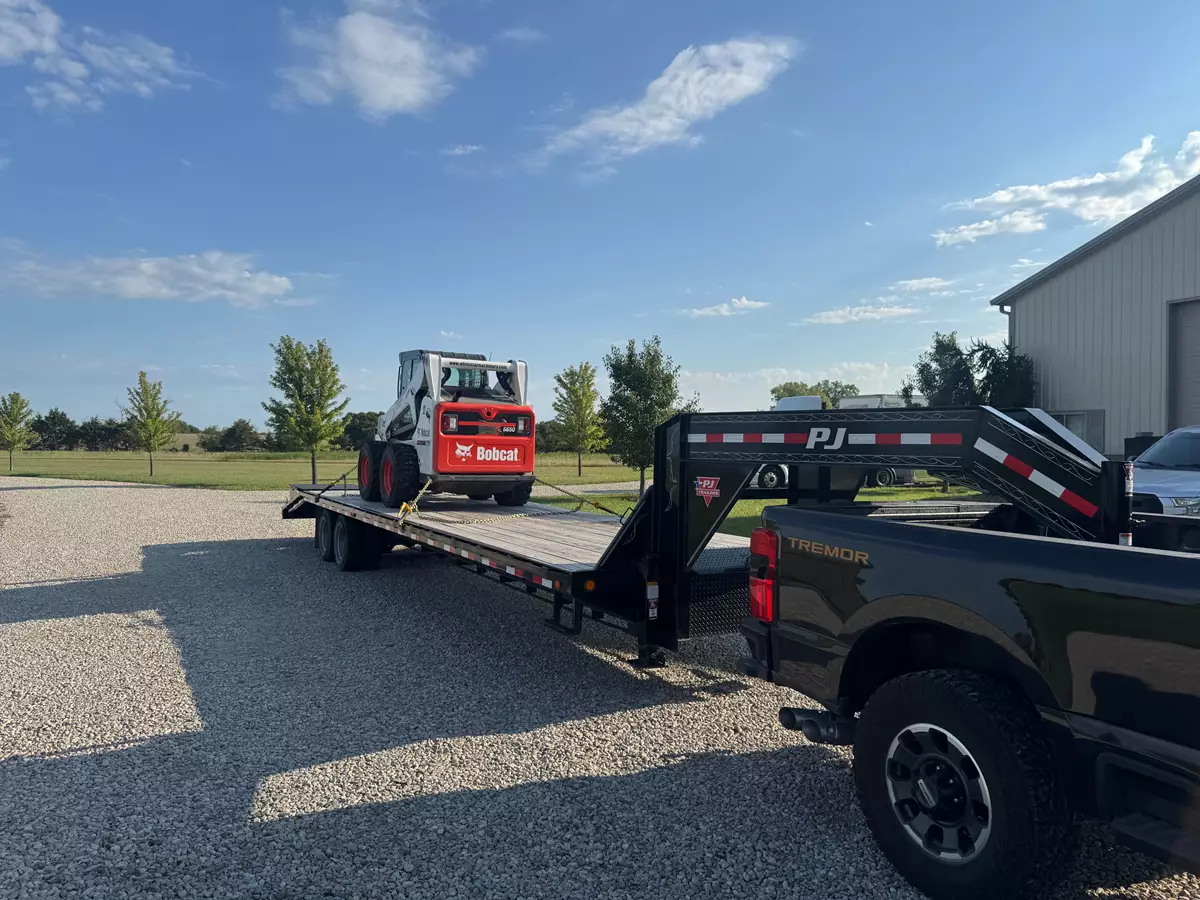
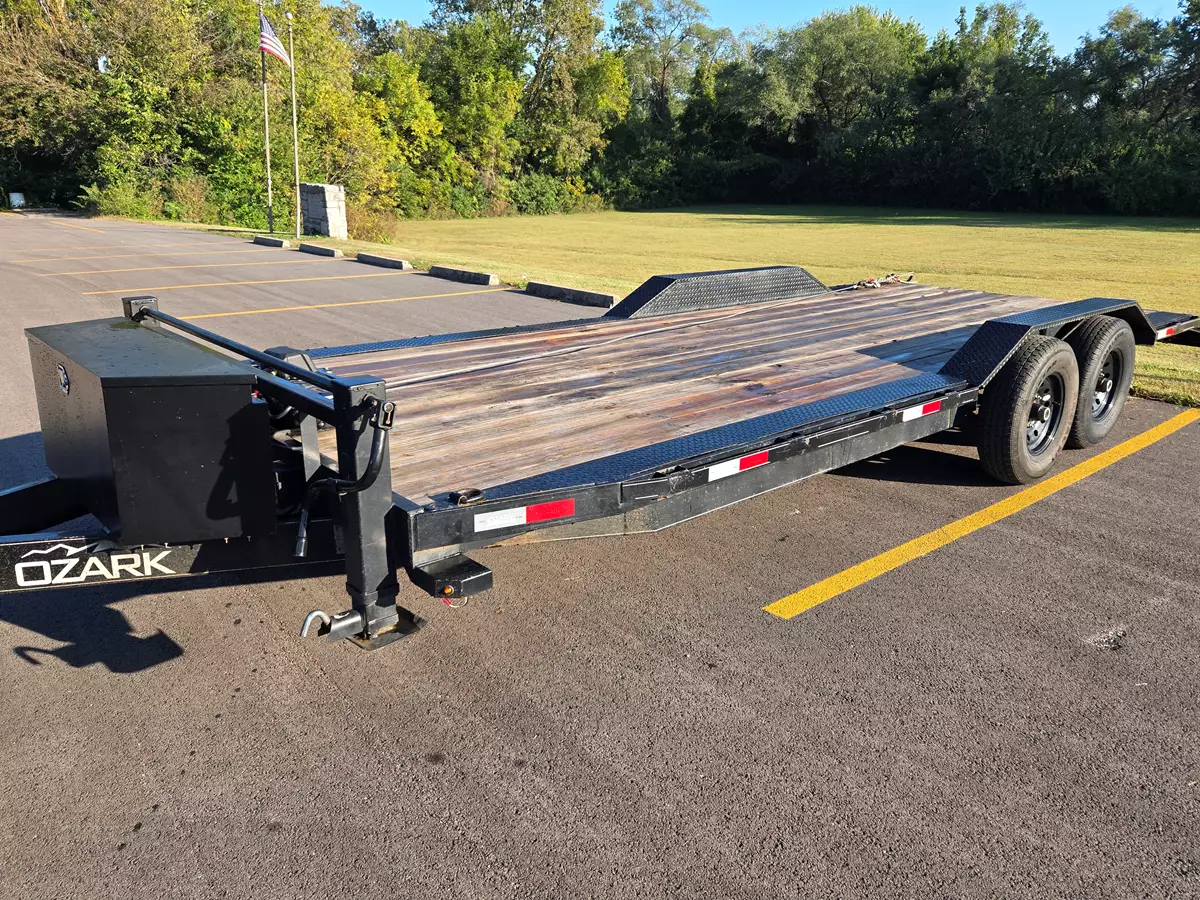
High-value haul, premium daily rates.
Equipment trailers haul the heaviest, highest-value cargo in the fleet — skid steers at 8,000 lbs, mini-excavators at 12,000 lbs, telehandlers heavier still. Daily rates of $145–$225 reflect the load class. Long contractor rentals (5–15 days) are the norm.
Weight, winches, and qualifications, tracked.
The equipment-specific operations a heavy-haul fleet has to nail.
Capacity math that runs before payment.
When a renter books an equipment trailer, TrailerBase asks what they're hauling, the equipment's weight, and the tow vehicle's GVWR — then runs the combined-load math against the trailer's rated capacity. If anything's over, the booking pauses for operator review before the renter pays.
Equipment trailers are 40% of our revenue. The combined-load math has flagged seven over-capacity bookings this year — that's seven incidents we didn't have to file.
Equipment trailer rental questions, answered.
How much does it cost to rent an equipment trailer?
Equipment trailer rentals typically run $145–$225 per day depending on capacity and length. 18–20ft units rent at $145–$170, 22–28ft dual-tandems at $170–$200, and 28–32ft heavy decks at $200–$225. Weekly rates discount 20–30%.
How do you handle weight ratings on equipment trailers?
Each equipment trailer stores its GVWR, payload, and per-axle limits. The booking flow asks the renter what they're hauling and the equipment weight; combined-load math runs against the rated capacity. Over-capacity bookings flag for operator review before payment.
How often should winches be inspected?
Cable, drum, and brake checks every 25 rental cycles or 90 days, whichever comes first. TrailerBase surfaces overdue inspections on the trailer card and won't allow new bookings until the check is signed off.
Do renters need a CDL to tow equipment trailers?
It depends on combined weight. Most states require a CDL when the trailer + tow vehicle exceeds 26,001 lbs combined GVWR or when the trailer alone exceeds 10,000 lbs and is used commercially. TrailerBase captures CDL status at booking and surfaces the requirement based on the trailer rating.
What deposits should I require on equipment trailers?
Most operators run $750–$2,000 deposit holds on equipment trailers. TrailerBase places the hold via Stripe at booking, releases it on clean return, and supports per-trailer deposit tiers so a 32ft heavy deck can require a $2,000 hold while an 18ft equipment unit runs $750.