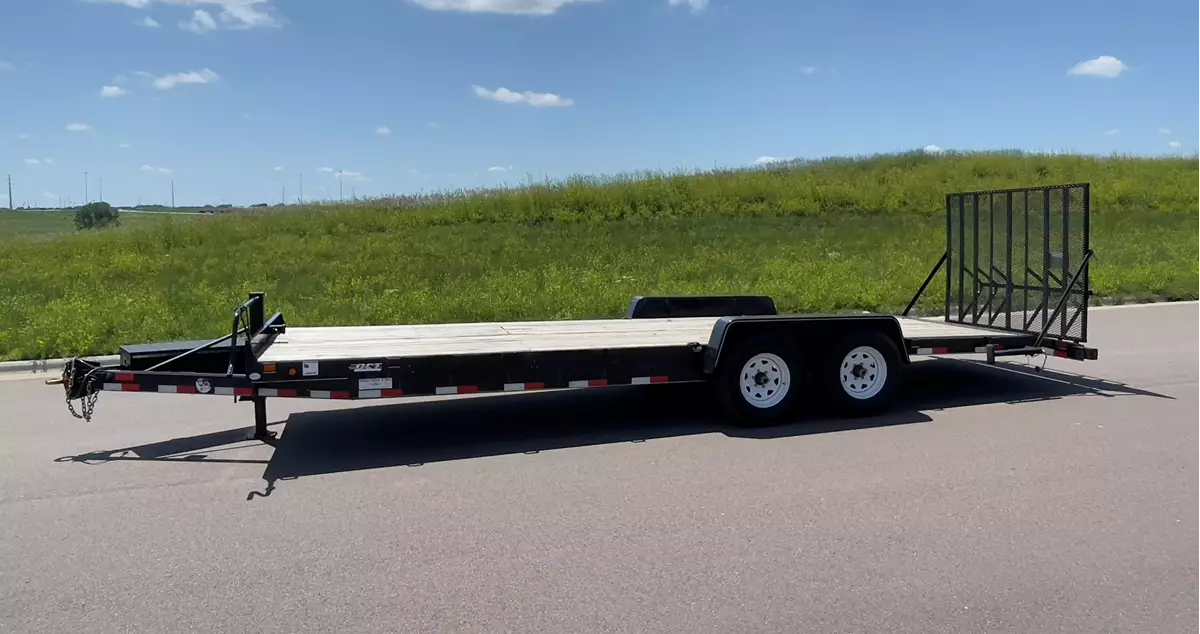
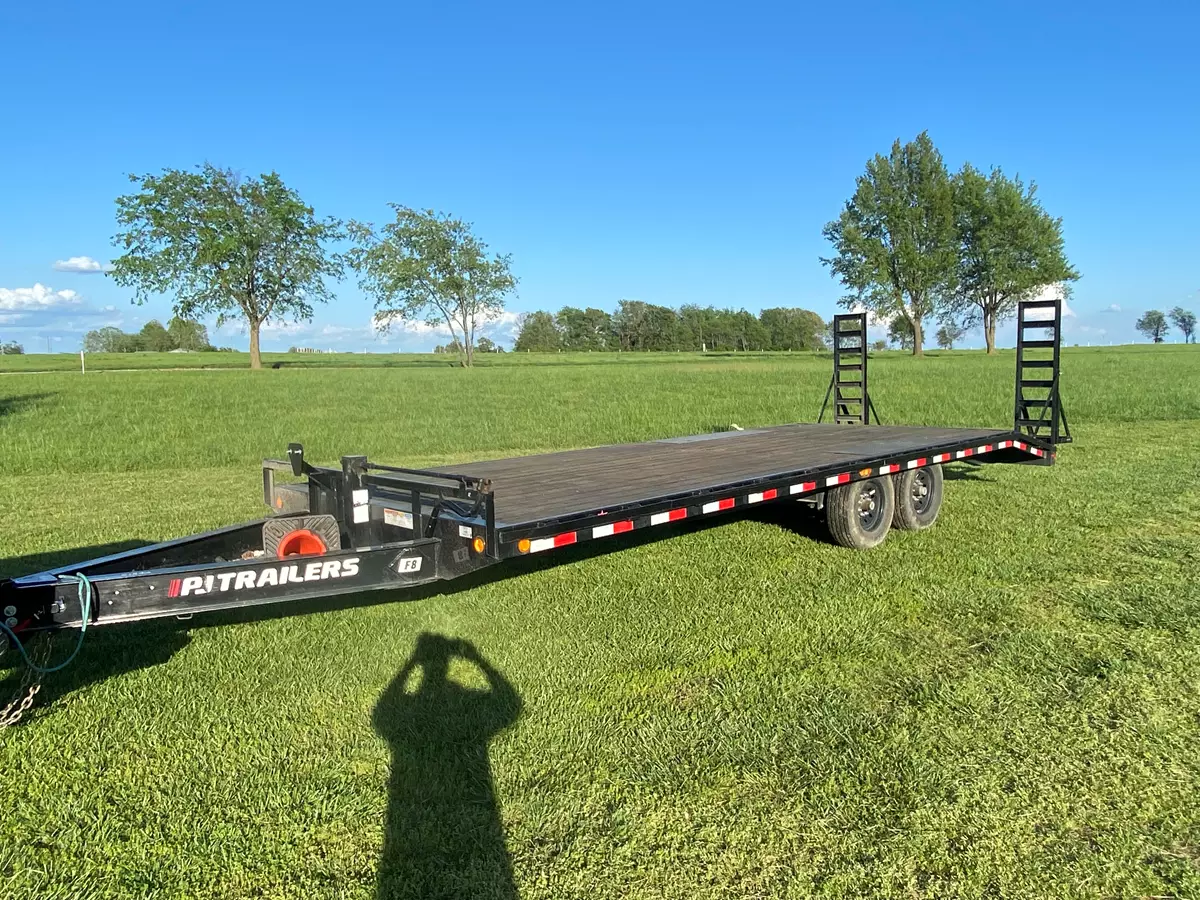
The everything trailer for heavy haul.
Flatbeds rent steadily to construction crews, equipment movers, lumber yards, and weekend lifters. The combination of long deck length and load flexibility means utilisation is rarely the constraint — readiness inspections and tie-down condition are.
Capacity and compliance, on every booking.
The flatbed-specific operations a heavy-haul fleet actually runs.
Tie-down inspections, dispatched automatically.
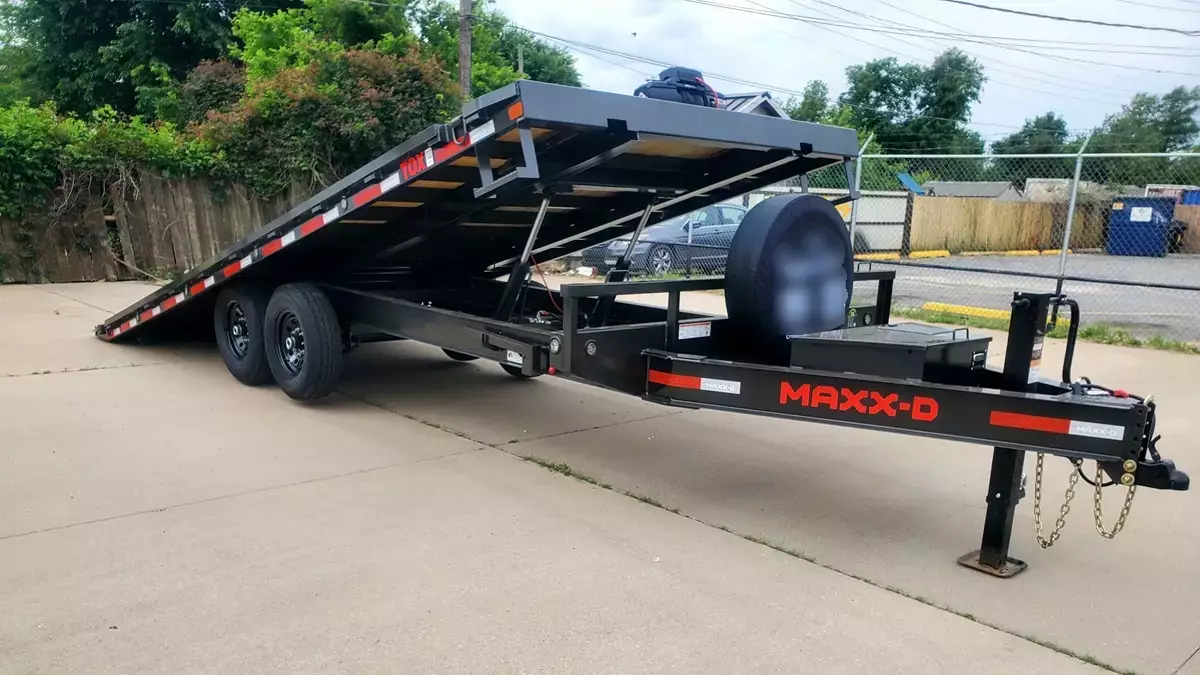
Each flatbed has its own tie-down schedule based on age and rental cycles. TrailerBase pushes the inspection to your phone the morning the unit is due, captures the technician sign-off, and won't let the trailer go back on the lot until the check is closed.
We were reconciling tie-down inspections in a spiral notebook. After six months on TrailerBase, every flatbed has a clean digital service log — and our insurance carrier knocked 8% off the renewal because of it.
Flatbed trailer rental questions, answered.
How much does it cost to rent a flatbed trailer?
Flatbed rentals typically run $90–$165 per day depending on deck length and capacity. 18–20ft decks rent at $90–$120, 24–28ft decks at $120–$145, and gooseneck flatbeds at $145–$175. Weekly rates discount 20–30%.
What weight ratings should I publish for each flatbed?
Publish the GVWR, payload, and per-axle limit on every flatbed card. Most bumper-pull flatbeds rate 7,000–14,000 lb GVWR; gooseneck and dual-tandem decks land at 16,000–25,900 lb GVWR. TrailerBase enforces these on the booking flow so over-capacity rentals never close.
How do you verify the renter's tow vehicle?
TrailerBase captures make, model, and GVWR at booking. Combined-load math (trailer + payload + tow vehicle) runs against the renter's stated tow capacity. If the math doesn't pencil, the booking flags for operator review before keys hand over.
How often should tie-downs be inspected?
Industry practice is every 25 rental cycles or every 90 days, whichever comes first. TrailerBase tracks both clocks per trailer and surfaces overdue checks on the trailer card. The unit is read-only on bookings until the inspection signs off.
Can I bill for ramps, chains, and binders separately?
Yes. Add-ons live on each trailer's profile with their own price, deposit, and inspection schedule. Renters see them in the booking flow as optional line items; the contract reflects the full kit and the deposit covers replacement cost.